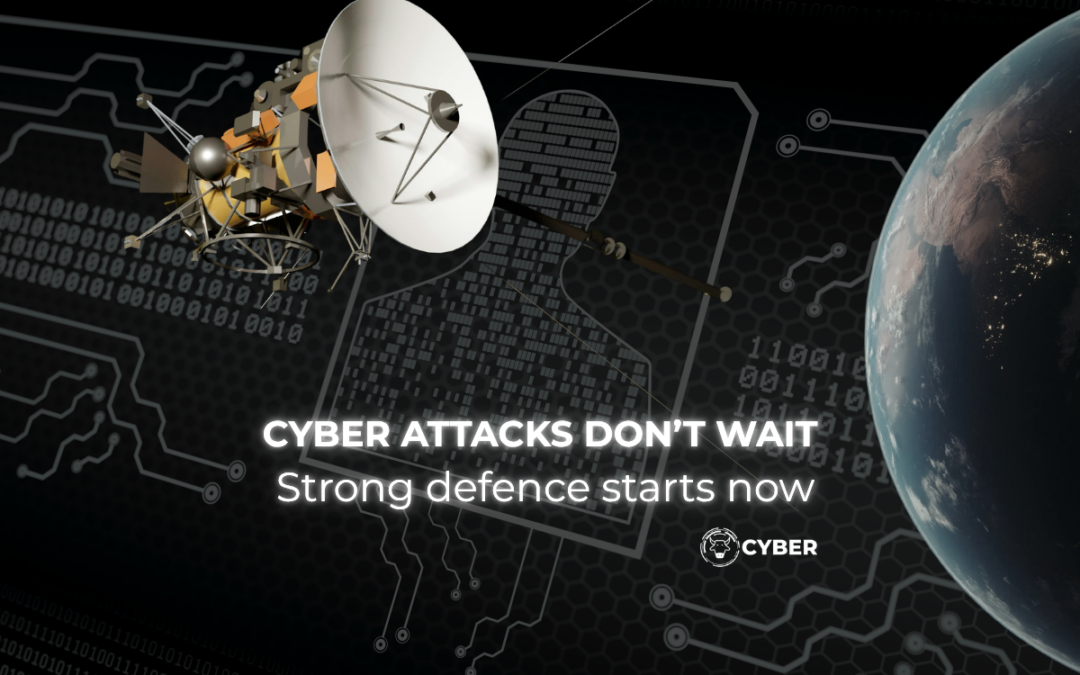
When we think of cybersecurity, we usually imagine protecting laptops, servers, or smartphones. However, the most critical digital frontier is now hundreds of miles above our heads. Space is no longer the exclusive playground of superpowers. It is a crowded environment filled with private satellites that power our GPS, banking systems, and global communications.
If you thought securing a local network was difficult, try securing a satellite orbiting the Earth at 17,000 miles per hour.
The Satellite Problem: A High-Stakes Target
Our modern world relies on a fragile web of orbital technology. A successful cyber attack on a satellite constellation could shut down global navigation, disrupt power grids, and freeze international financial markets.
Unlike a server in a basement, you cannot simply walk over and press a reset button on a satellite. Once a device is disabled in orbit by a malicious actor, it often stays that way. It becomes expensive space junk.
The Rise of the Space SME
The space sector is changing rapidly. We are seeing a massive increase in Small and Medium Enterprises (SMEs) launching CubeSats. These are miniature satellites that are cheaper and faster to build.
While this expansion of space is exciting, it creates a significant security gap. Many of these smaller companies focus on getting their technology into orbit as quickly as possible. Sometimes they leave cybersecurity as an afterthought. For a hacker, these smaller, less protected satellites can act as a entry point into larger, more secure networks.
Why Space Security is Different
• No Physical Access: You cannot physically inspect the hardware once it is launched. Every fix must be done remotely over a radio link that can be intercepted or jammed.
• Long Life Cycles: Satellites are often designed to last for decades. This means they might be running ancient software that was never designed to defend against modern 2026 threats.
• Radiation and Speed: The harsh environment of space can cause hardware errors that look like cyber attacks. This makes it incredibly difficult to identify a real intrusion.
How to Become an Orbital Security Expert
The demand for Space Guardians is growing. If you are looking for a career path that is truly unique, this is it.
1. Learn Software-Defined Radio (SDR): Understanding how to analyse and intercept radio signals is the first step in space security.
2. Study Aerospace Fundamentals: You need to understand how satellites move and communicate to know where their digital weaknesses lie.
3. Focus on Hardened Systems: Look into how engineers build hardware that can survive both solar flares and sophisticated malware.
At OxCyber, we believe that security should not stop at the edge of the atmosphere. As more businesses look to the stars for data and connectivity, our community must stay ahead of the curve. The next generation of cybersecurity professionals will not just be defending offices. They will be defending the orbital infrastructure that keeps our world moving.