Why Cybersecurity Is Wearing Us Out
You’re probably making hundreds of decisions every day.
Most of them are routine.
But there’s another type of decision you may not even notice anymore.
● The security decision.
● Think about your day.
● Is this email genuine?
● Should I click this link?
● Is this Teams message really from my colleague?
● Why am I being asked to approve another MFA request?
● Can I trust this QR code?
● Is this WhatsApp message real?
● Should I open this attachment?
For many of us, these questions have become part of everyday life.
And that’s creating a problem we rarely talk about.
Security Has Become a Constant Mental Task
Cybersecurity used to happen in the background.
Today, it asks something of us almost every hour.
● Verify.
● Check.
● Confirm.
● Approve.
● Question.
● Repeat.
Every notification requires a judgement call.
Every unexpected message demands a moment of scepticism.
Individually, these decisions seem small.
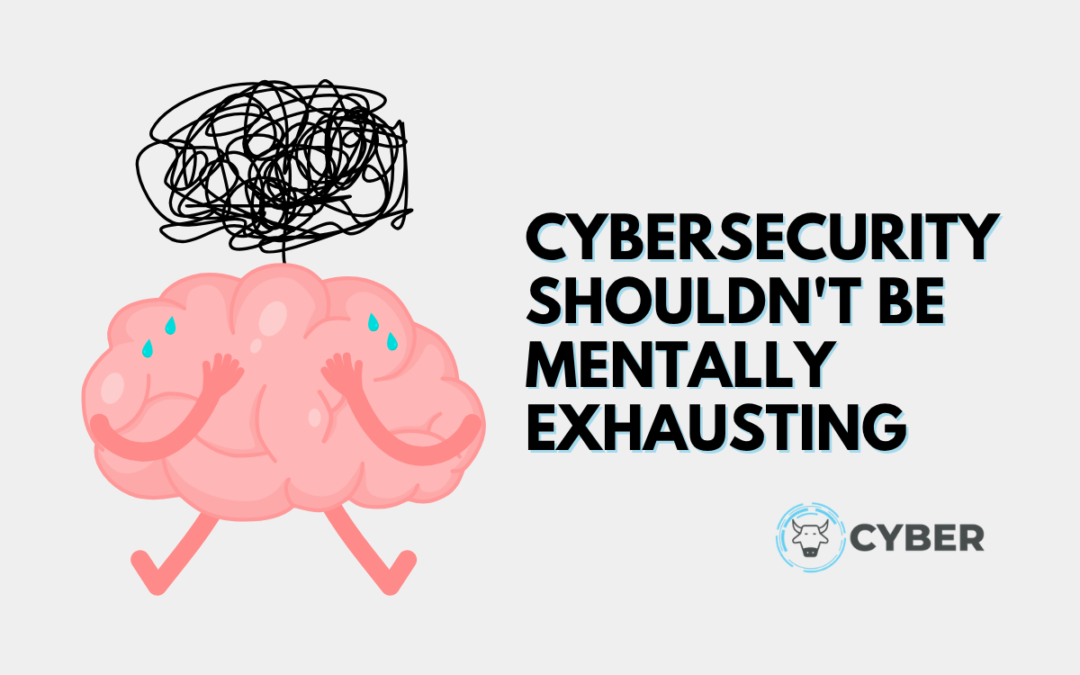
Together, they create something psychologists call decision fatigue. In cybersecurity, it’s becoming security fatigue.
When People Get Tired, They Make Mistakes
No one starts the day intending to click a phishing link or approve a fraudulent MFA request.
But people aren’t machines.
As the day goes on, attention drops. Deadlines build. Notifications multiply.
Eventually, the safest option isn’t always the one people choose.
It’s the quickest.
That’s exactly what attackers rely on.
The Human Side of Cybersecurity
We often respond to cyber incidents by asking:
“Why did someone click?”
A better question might be:
“How many security decisions had they already made that day?”
Good cybersecurity isn’t just about stronger technology.
It’s about designing systems that people can realistically use.
Clearer processes.
Fewer unnecessary prompts.
Smarter authentication.
Training that reflects real-world behaviour, not ideal behaviour.
Because the more complex security becomes, the more likely people are to work around it.
A Better Way Forward
Cyber resilience isn’t built by expecting people to be perfect.
It’s built by making secure decisions easier.
Technology will continue to evolve.
Threats will continue to evolve.
But one thing won’t change.
Cybersecurity is still a human challenge.
The organisations that recognise that won’t just build stronger defences.
They’ll build systems that work with people, not against them.