The Safety Net or the Hazard?
For many organisations in the Thames Valley, Cyber Insurance is seen as the final defence against a catastrophic ransomware event. Yet, this safety net is increasingly difficult to secure and introduces strategic complexities that CISOs must analyse. Is the policy a driver for good security, or a hidden moral hazard that makes us lazy?
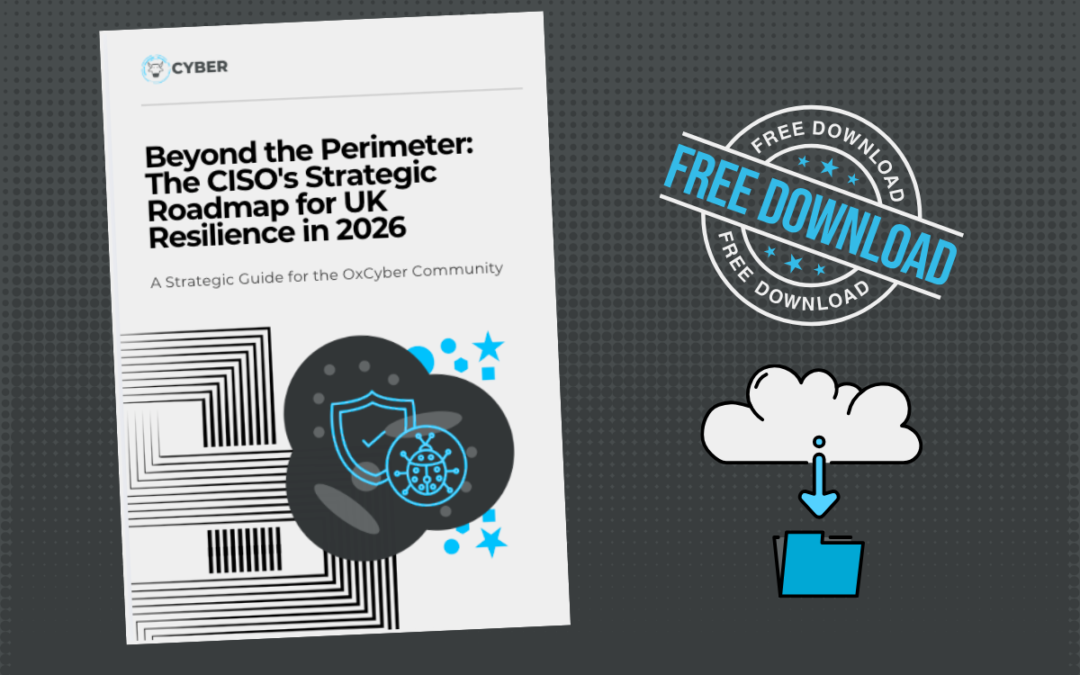
To help our community synthesise the total risk, we offer an initial look at our strategic SWOT analysis. The full breakdown is available in our new PDF Guide, Beyond the Perimeter.
A Preview of the Strategic SWOT
| Quadrant | Key Insight for 2026 |
| Strengths | Financial Buffer & Expert Access: The policy immediately provides crucial capital for recovery and mandates access to top-tier, specialised Incident Response (IR) and legal counsel, greatly accelerating containment. |
| Weaknesses | The Moral Hazard: The knowledge that a large payout is available can unconsciously foster lax security, leading to a focus on recovery costs rather than prevention measures. |
| Opportunities | Baseline Uplift: Insurers are forcing compliance. To secure coverage, organisations must meet non-negotiable standards (such as implementing MFA and EDR), effectively raising the industry’s security baseline. |
| Threats | The Targeting Risk: Attackers now specifically research policyholders, knowing that covered organisations are more likely to pay the ransom because the insurer has already agreed to fund it. |
This dynamic realises that insurance is no longer a simple financial product; it is an active variable in the threat ecosystem. Understanding this duality is crucial for strategic reallocation of your budget and risk posture in the new year.
Your Next Step: Download the Full Strategic Guide
The full analysis of the Cyber Insurance dynamic, including specific steps to secure policy coverage and mitigate the Moral Hazard, is available in our complete PDF Guide, Beyond the Perimeter. Download here.