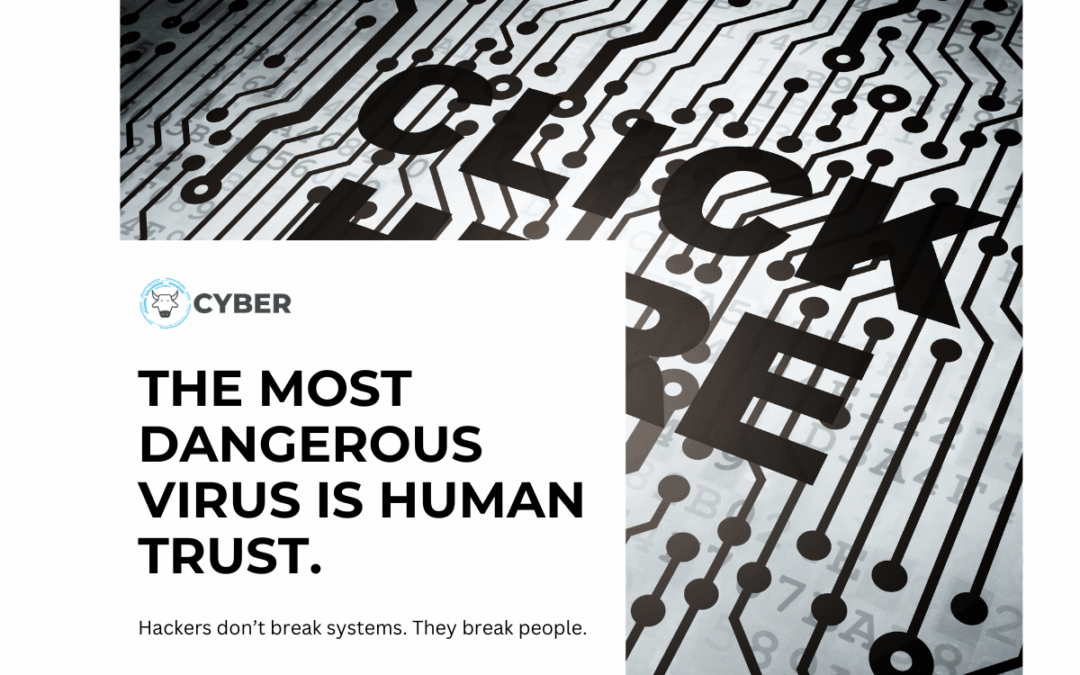
Every major cyber-attack begins long before a single line of code is written. It starts with a message, a click, or a moment of misplaced trust.
Social engineering remains one of the most effective and underestimated weapons in a hacker’s arsenal. According to the UK Government’s Cyber Security Breaches Survey 2025, 84% of organisations experienced at least one phishing attempt in the past year, and nearly half admitted that an employee had clicked on a suspicious link. No matter how advanced our defences become, the human element continues to be the most common point of failure.
We often assume cybersecurity is a technological challenge. In truth, it is a psychological one. Hackers do not only exploit software flaws; they exploit human emotion. Fear, curiosity, urgency, and authority are powerful triggers. They make us click “open” or “approve” before our rational mind catches up.
Understanding the Hacker Mindset
To defend effectively, we need to think like attackers do. A social engineer studies behaviour, not just passwords. They tailor their message to the person they are targeting, perhaps by posing as a trusted colleague, a supplier, or even a government department. Once trust is gained, the rest follows easily.
Recognising these psychological cues is the first step to building resilience. That is why we created a practical new resource for our community: The Social Engineering Awareness Toolkit, a free downloadable guide designed to strengthen your human firewall.
What’s Inside the Toolkit
Phishing Red Flags Infographic: A visual breakdown of the most common manipulation tactics used in emails, texts, and calls.
Self-Test Quiz: Measure how likely you are to fall for social engineering tricks and learn where your blind spots are.
Action Plan Template: Step-by-step guidance on how to build a culture of awareness across your business, classroom, or team.
Turning Awareness into Confidence
Cybersecurity awareness should never rely on fear or jargon. Real confidence comes from understanding. When people can recognise manipulation and respond calmly, they stop being the weakest link and become the first line of defence.
So next time an “urgent” message lands in your inbox, take a breath and think like a hacker. Ask yourself: What would they want me to do? That moment of pause could make all the difference.
Download your free Social Engineering Awareness Toolkit (PDF) here and start training your instinct, not just your inbox.