
For years, cybersecurity was seen as a “cost centre”: a necessary expense to keep the bad actors away. But as we navigate the business stage of 2026, a significant shift has occurred. Security has moved from the basement to the boardroom. It is no longer just an IT requirement; it is a powerful sales tool.
We have entered the Trust Economy. In this new era, your Cloud Security posture is often the deciding factor in whether a prospect becomes a long-term partner or walks away.
The New B2B Reality: Security First, Price Second
In the Thames Valley, we are surrounded by high-growth sectors: Biotech, FinTech, and SpaceTech. These industries do not just value data; they survive on it. When these firms look for partners, vendors, or software providers, they are conducting “Deep-Dive” security audits before they even look at a Statement of Work.
If your Cloud environment is a “black box” or if you struggle to explain your Shared Responsibility Model, you are seen as a liability. Conversely, if you can demonstrate a culture of active resilience and transparent security, you become a “Safe Harbour.” In 2026, being the “safe choice” is the fastest way to win a major contract.
Moving Beyond the “Checklist” Mentality
Many businesses think that having a single certification is enough to win trust. While certifications are important, modern B2B buyers are looking for Active Trust.
• Transparency as a Feature: Leading firms are now creating “Trust Centres” on their websites. They are being open about where their data lives, how they handle encryption, and what their incident response plan looks like.
• The Supply Chain Ripple: Large enterprises are under immense pressure to secure their entire supply chain. They would rather pay a premium for a secure partner than save money on a vendor that might become their next data breach headline.
• Security as Branding: When your sales team can confidently explain how your Cloud architecture protects client data, it changes the dynamic of the pitch. It moves the conversation from “features and benefits” to “reliability and partnership.”
The “Trust Tax” vs. The “Trust Dividend”
Organisations that neglect their Cloud Security pay a “Trust Tax.” This shows up in longer sales cycles, deeper legal scrutiny, higher insurance premiums, and lost opportunities.
On the flip side, those who invest in their security reap the “Trust Dividend.” They move through procurement faster. they win larger, more prestigious clients. they can charge a premium because they are providing peace of mind.
The OxCyber Perspective: Growing Together
At OxCyber, we believe that the Thames Valley’s economic strength is tied to its digital reputation. When we raise the bar for security across our cluster, we make our entire region a global destination for high-value investment.
Security is not a barrier to business; it is the engine that drives it. By prioritising your Cloud Security, you aren’t just protecting your past. You are investing in your future growth.
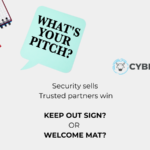
The question for 2026 is simple: Is your security a “Keep Out” sign, or is it a “Welcome” mat for your biggest ever clients?